
Understanding Pediatric Ophthalmology
Pediatric ophthalmology is a specialised branch of ophthalmology in medical science that focuses on the treatment of children’s eyes. Pediatric ophthalmologists are medical professionals who are trained to identify and treat eye diseases in children.
Importance of child eye care
The eyes of children are like little stars that play a vital role in vision, learning and overall physical and mental development by working with the brain. They are not just smaller versions of adult eyes; they have different needs and conditions that require special care. Several eye problems begin in childhood without any obvious signs and can cause serious eye diseases or permanent blindness if not taken seriously. Early care for the eyes ensures bright vision for a clearer and more confident future.
Common eye complications
The following eye problems of children need immediate medical attention.
- Squint eyes( Strabismus or crossed eyes) - Misalignment of the eyes due to weak coordination between the brain and eyes.
- Refractive vision errors -These are Myopia ( nearsightedness), Hyperopia (farsightedness) and astigmatism ( irregularly curved cornea), which prevent light from focusing on the correct part of the retina.
- Lazy eye (Amblyopia) - Reduced vision in one eye due to poor visual development.
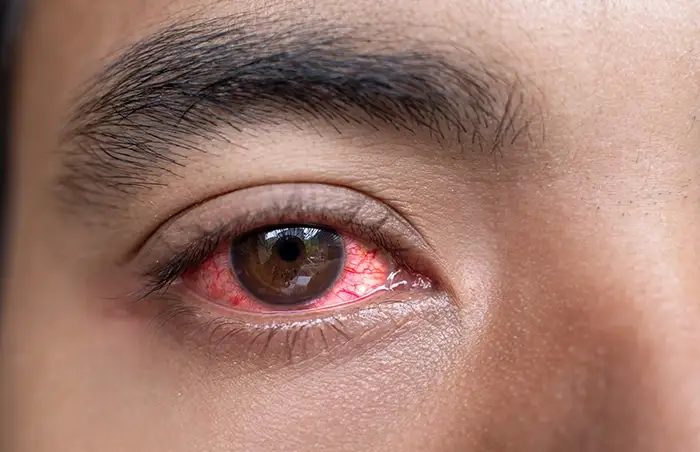
- Conjunctivitis (Joy Bangla or Pink eye) - Highly contagious and caused by bacterial infection.
- Blocked tear duct - Excessive tearing or discharge due to poor drainage of tears.
- Nystagmus - A congenital or acquired eye disease characterised by involuntary back-and-forth eye movement.
- Retinopathy of prematurity- A congenital disease caused by premature birth and low birth weight.
- Ptosis - Dropping of the upper eyelids due to poor functioning of eyelid-lifting muscles.
- Paediatric cataracts- The clouding of the eye's lens, which affects the eyes of children as well as adults.
- Congenital Glaucoma- It can occur in kids like adults due to high pressure in the eyes.
- Eye injury- Scratches, cuts, foreign bodies and trauma during playing or daily activities.
- Trachoma- A bacterial infection that causes roughening of the inner surface of the eyelids.
- Night blindness and colour blindness- Difficulty in seeing at night and differentiating colours due to a deficiency of vitamins or a disorder in internal tissues.
Causes
- Damage or underdevelopment of optic muscles and nerves.
- Vision problems in family history.
- Congenital problems, premature birth or complications during the mother’s pregnancy.
- Infections and allergies.
- Excessive screen time.
- Weak immune system.
- Nutritional deficiency and insufficient water drinking.
- Hormonal and metabolic disorder.
- Poor reading-writing habits.
- Eye or brain injuries.
- Bad eye hygiene.
Impact on their lives
If those eye diseases are not treated on time, they will affect children throughout their lives with the following effects:
- Permanent vision loss.
- Risk of severe complications.
- Poor Academic Performance.
- Delayed Visual Development.
- Problems in daily activities.
- Limited Career Opportunities.
- Increased Long-Term Treatment Cost.
- Low confidence and self-esteem.
- Behavioural problems.
- Miscommunication in society.
Symptoms
Parents should observe the following signs of eye diseases and contact eye hospitals as the first line of defence.
- Red, watery, or itchy eyes.
- Sensitivity to light.
- Difficulty reading or watching TV.
- Closing one eye.
- Excessive tearing.
- Tilting or turning the head.
- Holding objects very close.
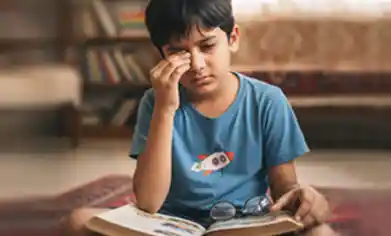
- Rubbing eyes.
- Unnatural behaviour.
- Eye strain.
- Blurred or double vision.
- Dancing of eyes.
Eye exams
Generally, children cannot tell about the discomfort of their vision because they don’t know what “normal” vision looks like and assume that everyone sees it that way. That is why eye exams are very crucial in detecting problems early for effective treatment.
Home eye tests
Parents can emphasise the following simple home eye screenings for identifying sight problems before visiting an eye doctor.
- Amsler Grid Test
- Pupil test
- Visual Acuity Check
- Colour Vision test
- Contrast Sensitivity test
- Astigmatism Dial Test
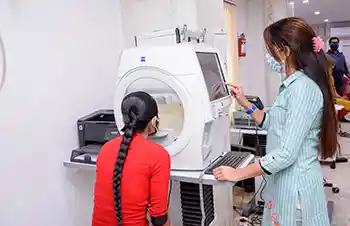
Clinical eye tests
While home tests help parents to spot the early signs, professional eye screenings, according to the following schedule, offer an accurate diagnosis and detect hidden problems for proper treatment.
- First-ever eye checkup for babies - within 6 months after birth.
- Next test - at 3 years of age.
- Next comprehensive exam- before starting school.
- Regular checkups- every year.
The tests are:
- Visual Acuity Test
- Refraction Test
- Red Reflex Test
- Cover/Uncover Test
- Depth Perception Test
- Slit-Lamp Examination
- Fundus exams
- Pupil Reflex Test
- Colour Vision Test
Treatment
Child eye specialists treat vision complications by following procedures to ensure healthy visual development for the future.
- Medications - Child eye doctors prescribe eye drops or oral pills for conjunctivitis, eye injuries and others.
- Corrective glasses - Eye experts recommend glasses for correcting refractive vision errors.
- Vision therapy - Eye care professionals prescribe different vision therapies for lazy eyes, squint eyes and others.
- Surgery- Child eye surgeons generally go for surgeries when non-surgical treatment doesn’t work effectively for strabismus, cataract and glaucoma, etc.
- Routine eye exercise - The following home exercises can play a supportive role in treating different visual disorders.
- Pencil Push-Ups.
- Barrel Cards.
- Brock String Exercise.
- Near and Far Focus.
Prevention
Parents must encourage their sons and daughters to perform the following preventive measures to prevent diseases.
- Routine eye checkups and home eye tests.
- Consultation with paediatric ophthalmologists.
- Follow a balanced diet.
- Limit screen time.
- Good reading habits.
- Maintain eye hygiene.
- Protective eyewear.
- Eye exercise.
- Drink sufficient water.
- Enough time in the green outdoors.
- Adequate sleep.
- Prevent infections.
- Regular physical activities.
Those who are at risk
- Premature or low birth-weight neonates.
- Newborn babies whose mothers had complications during pregnancy.
- Infants with a family history of eye diseases.
- Kids with chronic diseases ( diabetes, Down syndrome, cerebral palsy, etc.)
- An adolescent with previous eye injuries.
- A boy or a girl with prolonged screen time.
- Children with poor nutrition and insufficient water drinking.
- A child with poor outdoor activities.
- Babies with poor hygiene habits.
- Kids who don’t undergo routine eye screening.
- Boys and girls, not using protective eyewear.
Looking for the best child eye specialists in Kolkata
Finding the best pediatric ophthalmologists or pediatric eye doctor is vital in safeguarding your little ones’ vision. Here, parents need to choose the best eye doctors for their boys and girls by considering the following factors.
- Doctor with legal fellowship training in pediatric ophthalmology.
- Ophthalmologist with years of experience in treating pediatric patients.
- Eye care professionals who access state-of-the- art technology.
- An eye specialist who offers a child-friendly approach and personalised care.
- A paediatrician with a reputation and positive reviews in treating the eyes of a child.
- Eye doctors for children who offer the best care at a reasonable price.
- An eminent pediatric eye specialist whose clinic is near your residence.
Renuka Eye Institute, the best child eye hospital in Kolkata, has a team of top paediatric ophthalmologists who have dedicated their lives to providing the perfect eye care for your child’s vision because healthy eyes build a bright future.
Top pediatric eye hospital in Kolkata
When it comes to your little one’s vision, there is no room for compromise because a child's eyes are always precious for the future. Choosing the best pediatric eye hospital in Kolkata makes all the difference for perfect treatment. At Renuka Eye Institute, the best eye hospital for children in Kolkata, the service of pediatric ophthalmology is not merely care but a dedicated focus. Our team works closely with the parents from early checkups to long-term follow-up for giving every child the gift of bright vision for the future. Book an appointment today for your child at our eye clinic, a trusted eye hospital by thousands of families across Kolkata and its surroundings.