Our eyes play an essential role in almost every aspect of daily life, from reading and working to driving and enjoying the world around us. However, with increasing screen exposure, changing lifestyles, ageing, and underlying health conditions, eye-related problems are becoming increasingly common among people of all age groups. While some eye conditions cause temporary discomfort, others can gradually affect vision and, if left untreated, lead to permanent sight loss. Recognising the early warning signs and seeking timely medical attention are essential for maintaining healthy eyesight. At Renuka Eye Institute, one of the best eye hospitals in Kolkata, experienced eye care professionals provide state–of–the–art diagnosis, treatment, and preventive care for patients dealing with different eye conditions. In this blog, we describe the most common eye problems people face today, their symptoms, treatment options, and when to consult an eye specialist.
Dry Eye Syndrome: An Increasing Concern in the Digital Age
With more people spending long hours on computers, smartphones, and other digital devices, dry eye syndrome has become an increasingly common eye complaint. This condition occurs when the eyes do not produce enough tears or when tears evaporate too quickly, resulting in inadequate lubrication of the eye surface.
-
Common Symptoms of Dry Eyes:
- Burning or stinging sensations
- Redness and irritation
- A gritty or sandy feeling in the eyes
- Excessive watering
- Blurred vision that may fluctuate
- Eye discomfort after prolonged screen use
-
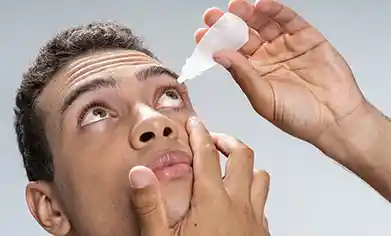
Treatment Options: Treatment depends on the underlying cause and severity. An eye specialist may recommend lubricating eye drops, lifestyle modifications, warm compresses, eyelid hygiene, or other specialised treatments.
Taking regular breaks from screens, blinking frequently, maintaining adequate hydration, and avoiding direct exposure to air conditioning can also help reduce symptoms.
If dryness persists despite basic care, a comprehensive eye examination can help identify the underlying problem.
Cataracts: A Common Age-Related Eye Problem
Cataracts are among the leading causes of vision impairment, particularly among older adults. This condition develops when the natural lens of the eye becomes cloudy, making it difficult for light to pass through clearly. Although cataracts are commonly associated with ageing, they may also develop due to diabetes, eye injuries, certain medications, or genetic factors.
-
Common Symptoms of Cataracts:
- Blurred or cloudy vision
- Increased sensitivity to bright lights and glare
- Difficulty seeing clearly at night
- Faded or yellowish appearance of colours
- Frequent changes in eyeglass prescriptions
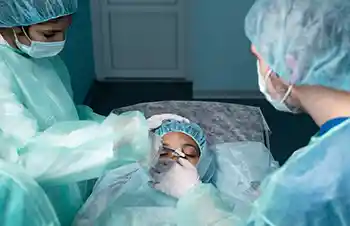
In the early stages, updated spectacles and improved lighting may help manage certain visual difficulties. However, when cataracts begin interfering with everyday activities, cataract surgery is generally recommended. The clouded natural lens is removed during modern cataract surgery and replaced with an artificial intraocular lens (IOL). One of the most common concerns among patients is the Cataract surgery cost. The overall cataract operation cost may vary depending on the type of surgical technique, intraocular lens selected, diagnostic investigations, and the facilities provided by the hospital. Patients researching the cost for cataract surgery should consult an experienced ophthalmologist to understand the available treatment options and receive a personalised cost estimate.
Glaucoma: The Silent Thief of Sight
These days, glaucoma is a serious eye disease that affects the optic nerve, which transports visual data from the eyes to the brain. Although glaucoma can also develop when eye pressure stays within the normal range, it is frequently linked to elevated intraocular pressure. One of the main problems with glaucoma is that in its early stages, it may not show any symptoms.
-
Common Symptoms of Glaucoma:
- Gradual loss of peripheral vision
- Difficulty adjusting to low-light conditions
- Blurred vision in certain types of glaucoma
- Severe eye pain, headache, nausea, and sudden blurred vision in acute angle-closure glaucoma
Optic nerve damage caused by glaucoma is typically irreversible. However, future vision loss can be slowed or prevented with early diagnosis and adequate treatment. Treatment may include prescription eye drops, laser procedures, or glaucoma surgery, depending on the type and severity of the condition. Consulting an experienced glaucoma specialist is important for accurate diagnosis, regular eye pressure monitoring, and long-term management. People with a family history of glaucoma, older adults, and individuals with other risk factors should consider regular comprehensive eye examinations.
Refractive Errors: Myopia, Hyperopia, and Astigmatism
Refractive errors occur when the shape of the eye prevents light from focusing correctly on the retina. They are among the most common causes of blurred vision in both children and adults.
-
The three commonly encountered refractive errors include:
- Myopia (Near-sightedness): Difficulty seeing distant objects clearly.
- Hyperopia (Far-sightedness): Difficulty focusing on nearby objects, although symptoms vary with age and severity.
- Astigmatism: Blurred or distorted vision caused by an irregular curvature of the cornea or lens. Common Symptoms:
- Blurred vision
- Frequent headaches
- Squinting while reading or looking at distant objects
- Eye strain and fatigue
- Difficulty concentrating on visual tasks
- Refractive errors can generally be corrected with prescription spectacles or contact lenses. Suitable adults may also be evaluated for refractive surgery, depending on their eye health and prescription stability.
Children should undergo age-appropriate vision screening because undetected refractive errors can interfere with learning and visual development.
Diabetic Retinopathy: A Serious Complication of Diabetes
Diabetic retinopathy is an eye complication that develops when prolonged high blood sugar levels damage the tiny blood vessels in the retina. The light-sensitive tissue in the rear of the eye that aids in vision is called the retina. diabetic retinopathy progresses without treatment, it can cause severe vision loss.
-
Common Symptoms:
- Blurred or fluctuating vision
- Dark spots or floaters
- Difficulty seeing colours clearly
- Dark or empty areas in the field of vision
- Sudden vision loss in advanced cases
In its early stages, diabetic retinopathy may not produce noticeable symptoms, making routine eye examinations especially important for people living with diabetes.
Depending on the stage of the disease, treatment may include blood sugar management, anti-VEGF injections, laser photocoagulation, or retinal surgery. Consulting experienced retina specialists can help patients receive timely diagnosis and appropriate treatment for diabetic retinopathy and other retinal disorders. People with diabetes should follow their ophthalmologist's recommended retinal screening schedule, even when their vision appears normal.
Age-Related Macular Degeneration (AMD)
Age-related macular degeneration is a gradual condition that impacts the macula, the central region of the retina responsible for detailed vision. It is more common among older adults and can make activities such as reading, recognising faces, and driving increasingly difficult.
-
Common Symptoms:
- Blurred central vision
- Straight lines appearing wavy or distorted
- Difficulty recognising faces
- Dark or blank spots in central vision
- Reduced ability to see fine details
Paediatric Eye Problems: Protecting Children's Vision
Children may experience several eye conditions that can affect their visual development, learning abilities, and overall quality of life. Unlike adults, young children may not always recognise or communicate vision-related difficulties. This makes regular paediatric eye examinations particularly important.
-
Common Eye Problems in Children:
- Refractive errors, including myopia and hyperopia
- Amblyopia (lazy eye)
- Strabismus (squint)
- Congenital cataracts
- Blocked tear ducts
- Eye infections and allergies
-
Warning Signs Parents Should Watch For:
- Frequent eye rubbing or blinking
- Squinting or tilting the head while looking at objects
- Holding books or screens unusually close
- Difficulty recognising distant objects
- One eye appearing misaligned
- Complaints of frequent headaches
Generally, treatment varies according to the child's age and diagnosis. It may involve prescription glasses, patching therapy for amblyopia, eye exercises in selected cases, medication, or surgery when required. Consulting an experienced paediatric eye doctor is essential for identifying eye conditions early and supporting healthy visual development. Specialised care from qualified paediatric ophthalmologists can help diagnose and manage childhood eye disorders using age-appropriate examination methods and treatment approaches.
Conjunctivitis: A Common Cause of Red Eyes
Conjunctivitis, commonly known as pink eye, occurs when the conjunctiva becomes inflamed. It may be caused by viral or bacterial infections, allergies, or irritants.
-
Common Symptoms:
- Redness in one or both eyes
- Itching and irritation
- Watery or sticky discharge
- Swollen eyelids
- A gritty sensation in the eyes
Treatment depends on the cause. Allergic conjunctivitis may require anti-allergy medication, while bacterial conjunctivitis may require prescribed antibiotic eye drops. Viral conjunctivitis generally improves with supportive care. Maintaining proper hand hygiene, avoiding eye rubbing, and not sharing towels or personal eye-care products can help reduce the spread of infectious conjunctivitis. Seek medical advice if redness is accompanied by significant pain, light sensitivity, blurred vision, or other concerning symptoms.
Why Regular Eye Check-Ups Are Important
Many eye conditions develop gradually and may not show obvious symptoms until significant damage has occurred. Regular comprehensive eye examinations can help identify potential problems before they seriously affect vision.
-
An eye examination may include:
- Visual acuity testing
- Refraction assessment
- Eye pressure measurement
- Slit-lamp examination
- Dilated retinal examination
- OCT scans or other specialised imaging when clinically indicated
The frequency of eye examinations depends on age, medical history, existing eye conditions, and individual risk factors. People with diabetes, hypertension, a family history of glaucoma, or existing retinal conditions may require more frequent monitoring.
Tips to Maintain Healthy Eyes and Prevent Common Eye Problems
Along with professional eye care, adopting healthy daily habits can help protect your eyesight.
-
Some practical steps to follow:
- Eat a balanced diet: Include green leafy vegetables, colourful fruits, and foods containing essential nutrients that support eye health.
- Follow the 20-20-20 rule: After every 20 minutes of screen use, look at something approximately 20 feet away for 20 seconds.
- Wear UV-protective sunglasses: Protect your eyes from excessive ultraviolet exposure.
- Avoid self-medication: Do not use prescription eye drops, particularly steroid drops, without medical advice.
- Manage chronic conditions: Keep diabetes and blood pressure under appropriate medical control.
- Maintain proper eye hygiene: Avoid rubbing your eyes and follow good contact lens hygiene practices.
- Schedule regular eye examinations: Do not wait for vision problems to become noticeable before visiting an eye specialist.
When Should You Visit an Eye Hospital?
Not every eye problem requires emergency treatment, but certain symptoms should never be ignored.
-
Seek immediate ophthalmic assessment if you experience:
- Sudden loss or significant reduction of vision
- Severe eye pain
- New flashes of light or a sudden increase in floaters
- A dark curtain or shadow across your vision
- Sudden double vision
- Eye injuries or chemical exposure
Timely medical intervention can make an important difference in preventing avoidable vision loss.
Conclusion
Eye problems can affect individuals at every stage of life, from childhood refractive errors to age-related cataracts, glaucoma, and retinal disorders. While some conditions can be managed with simple interventions, others require specialised diagnosis and advanced treatment. The key to protecting your eyesight is early detection, timely medical attention, and regular follow-up care. Choosing a trusted eye hospital, Renuka Eye Institute, with experienced ophthalmologists and access to specialised eye care services can help ensure that you receive appropriate treatment for your individual needs.