
Red eyes are something that we all experience from time to time and are not always harmful; however, they can sometimes be serious for our vision. Although this condition may develop due to multiple causes, people often struggle to determine whether it is caused by an allergy or an infection. It is crucial to understand the difference because each of them has unique needs that require a different approach to take care of, and ignoring them can lead to vision loss. Renuka Eye Institute, a top hospital in Kolkata, specialise in advanced red eye treatments that provide fast relief and lasting eye comfort. The eye care professional team uses precise diagnosis and comprehensive care to address the root cause for ensuring quicker recovery and clearer vision.
What is a Red Eye?
It is a common complication in which our eyes become reddish and bloodshot due to inflammation and irritation on the surface.
How does it affect the eyes?
Red eyes occur when the tiny blood vessels in the white part of the eyes become swollen, larger, and inflamed. This vision condition can significantly disrupt our daily lives.
The causes
- Allergies
- Infections
- Dry eyes
- Eye strain
- Contact lens irritation
- Lack of sleep
- Excessive eye rubbing
- Eye injury
Main causes:
Minor causes:
Allergy-caused red eyes
When allergens( pollen, dust, smoke, etc) enter the eyes, our body releases histamine, which causes inflammation in the conjunctiva.
Unique Symptoms:
- Both eyes are usually affected
- Watery discharges are not sticky
- Eyelids may look puffy
- Associated with sneezing and a runny or blocked nose
- No vision changed
- Severe eye pain
Infection-caused red eyes
When microorganisms ( bacteria and viruses) enter the eyes, the conjunctiva becomes infected, leading to irritation.
- Unique symptoms
- Usually begins in one eye and later may spread to the other
- Moderate to highly contagious
- Watery discharges are sticky and green or yellow
- Eye crusting in the morning
- Mild pain and vision may change
- Associated with the common cold and fever
- Common symptoms
- Redness
- Burning sensation
- Watery discharge
- Itching and irritation
- Swelling of eyelids
- Sensitivity to light
- Vision change
- Serious eye diseases related to red eyes
- Glaucoma
- Keratitis
- Conjunctivitis
- Uveitis
- Scleritis
- Corneal Ulcer
Diagnosis
The following eye tests are crucial because they help ophthalmologists to catch the cause for treating this eye disease with prompt care.
- Visual acuity test
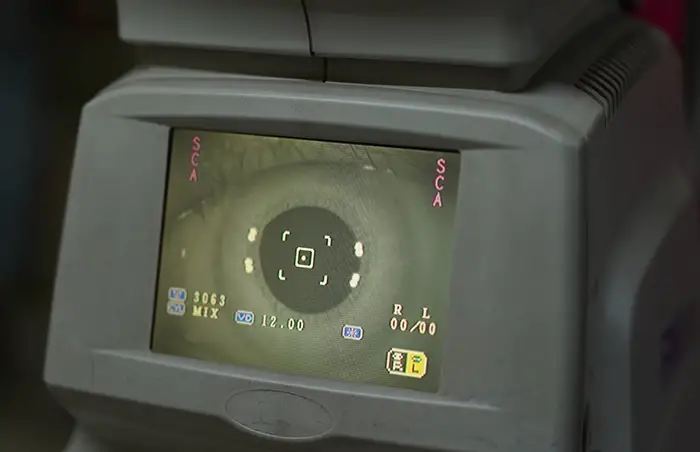
- Slit lamp exams
- Fluorescein eye stain test
- Tonometry
- Conjunctival swab test
Treatment
Immediate treatment is always vital, with home care or clinical care, for saving sight.
Self-care:
Sometimes, mild cases can be solved by maintaining the following home remedies according to the eye specialist’s advice.
- Eye drops
- Cold and warm compression
- Clean eyes with fresh water and sterile cotton
- Resist the urge to rub the eyes
- Avoid touching the eyes with uncleaned hands
- Limit screen time
- Maintain eye rest and proper sleep
- Keep the eyes protected with eyewear
- Using left-out eye drops
- Applying breast milk, honey, saliva, rose water, and others
- Thinking it will solve itself
- Visiting an unqualified healer
- Believing in religious remedies
- Using contact lenses and cosmetics
It should be noted that the following superstitious practices can be harmful and may worsen the condition:
Medical care:
Home care is the primary attempt before visiting a hospital, but it is not enough for serious cases. Patients should consult with eye doctors if they experience :
- Redness after 3 days
- Severe eye pain
- Vision loss
- Excessive discharge of water
- Antibiotic or antifungal eye drops
- Artificial tears or steroid eye drops
- Oral medication
- Eyeglasses
An experienced eye doctor performs the following medical procedures to treat this disease effectively:
Preventive care measures
- Avoid physical contact with infected persons or their personal items
- Avoid rubbing and touching eyes
- Use protective eyewear
- Proper contact lens use
- Regular eye checkups
- Drink sufficient water and eat a balanced diet
- Limit screen time
- Eye rest and proper sleep
- Use musk and hand sanitiser
- Control common colds and allergies
- Consult with eye doctors
People who are at risk
- People with allergies
- Contact lens users
- Family members of infected persons
- Health care providers
- Contact lens users
- Children and elderly people
- People exposed to pollutants
- Immunocompromised persons
- People with previous eye problems
- Prolonged screen users
Comparison:
| Feature | Allergy-related red eyes | Infection-related red eyes |
|---|---|---|
| Redness | Mild to moderate | Moderate to severe |
| Cause | Immune reaction to allergens | Infection by Bacteria and virus |
| Itching and pain | Intense and severe | Mild |
| Discharge | Clear and watery | Sticky and yellow or green |
| Onset | Sudden or seasonal | Gradually develop |
| Eyes | Affect both eyes | Affect one eye first and then spread to the other |
| Associated symptoms | Sneezing, runny and blocked nose | Common cold and fever. |
| Vision | Mild vision changes | Severe vision change |
| Swelling | Eyelid puffiness is common | Eyelid swelling may occur |
| Contagious | No | Moderate to highly |

Are you still confused and not sure whether you are experiencing persistent red eyes due to allergies or infections? Let's book an appointment with experienced ophthalmologists at Renuka Eye Institute, one of the best eye hospitals in Kolkata, to get clarity for saving your vision.