Relation between the eyes and UV rays
Sunlight is essential for our existence and vision. But its invisible UV rays are capable of posing a risk to the eyes. So, it's important to save our vision from these harmful rays. Renuka Eye Institute, a top eye hospital in Kolkata, is committed to guiding people in saving vision against this dangerous radiation.
What are Ultraviolet(UV) rays?
These are high-energy rays from the electromagnetic spectrum with shorter wavelengths than visible light. Such rays can pose significant risks to the eyes and can cause various vision complications. The main types are:
- UVA: Long-wave rays that reach the Earth in large amounts and penetrate our eye tissues.
- UVB: Medium wave rays that are partially absorbed by the O₃ layer but still reach the Earth and cause sunburn-like effects on the eyes.
- UVC: The Shortest and most harmful ultraviolet rays that are mostly blocked by the O₃ layer, but can be dangerous for the eyes from artificial sources in industries.
How do UV rays harm your eyes?
These rays affect the eyes through absorption because the eyes have very thin protective layers and a limited ability to filter the harmful light. When the rays enter, the cornea and lens absorb most UVA and UVB radiation that can cause complications by damaging the cells and proteins.
Symptoms of UV exposure conditions
Excessive exposure can promote the following symptoms, which can be experienced both instantly and long-term, based on intensity and duration:
- Redness and irritation
- Headache and pain
- Burning sensation
- Excessive tearing
- Sensitivity to light
- Blurry vision
- Vision change
Serious Diseases Related to UV Rays
Prolonged exposure to these rays can increase the risk of the following serious eye diseases:
- Cataract: Clouding of the natural lens in the eyes, which causes vision loss.
- Macular Degeneration: Damage to the central part of the retina that leads towards loss of central vision.
- Photokeratitis & Corneal Burns: Painful damage to the corneal tissue.
- Pterygium: Abnormal growth of tissue over the cornea that causes vision discomfort.
- Skin Cancer Around the Eyes: Basal and squamous cell carcinoma.
- Ocular Surface Squamous Neoplasia: A serious tumour of the surface of the eyes.
Detailed Eye Screening to Spot UV Eye Risks
Regular eye tests are crucial to catch those common and serious problems before they start affecting your vision. Eye doctors perform the following eye exams:
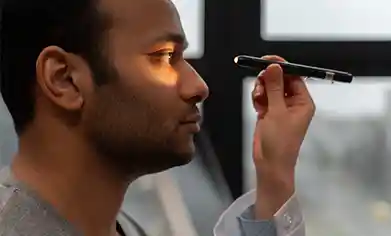
- Slit-Lamp Examination
- Dilated Retina Exam
- Corneal Topography
- Optical Coherence Tomography
Comprehensive treatment
Effective treatment after detection at the right time is crucial because UV-related vision damage can lead to permanent vision loss. Generally, ophthalmologists treat the complications with the following procedures:
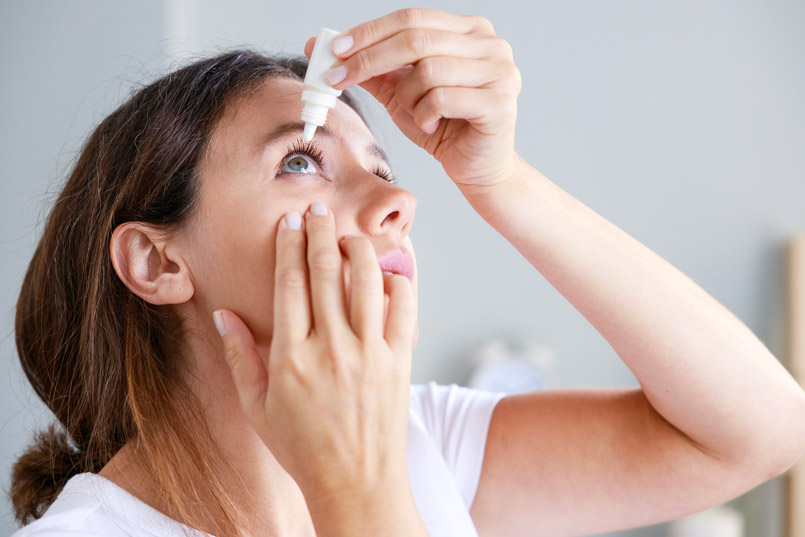
- Eye drops and oral pills
- Prescribing protective glasses and lenses
- Surgeries for cataract, pterygium, and others
- Laser therapies for retinal and corneal damage
- Guiding for eye exercises
- Encouraging preventive care
Protection from UV rays
Eye specialists usually emphasise the following preventive care because they believe that prevention is far better than cure in shielding eyes from these harmful rays.
- Wear UV-protective Sunglasses, spectacles, and contact lenses
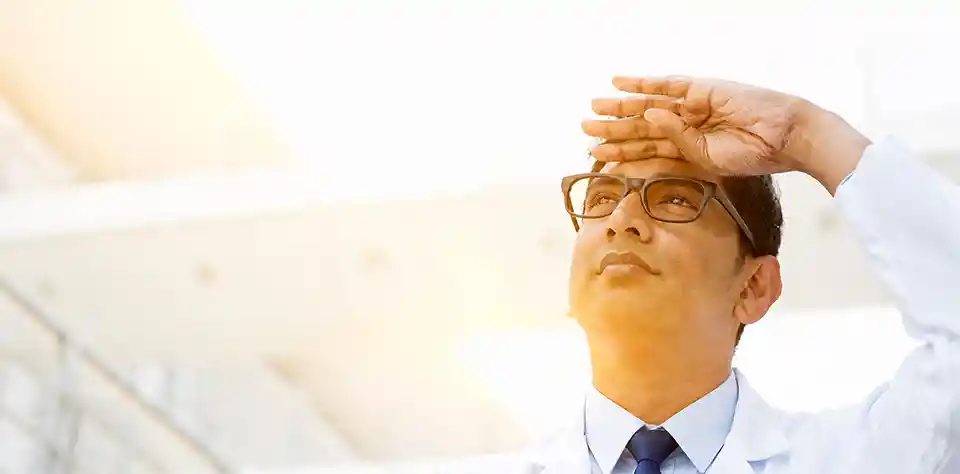
- Use wide-brimmed hats, caps, umbrellas, and face covers
- Limit Sun exposure and stay in the shade
- Eye rest and proper sleep
- Use artificial tears
- Drink sufficient water
- Eat nutritious and water-enriched foods
- Regular eye checkups
- Limit screen time
- Increase indoor activities
- Consult with top eye doctors
People who are at risk
- Outdoor workers
- People living in tropical areas
- An individual with light-colored eyes
- Children and elderly people
- Sportspersons
- Persons with previous eye injuries and surgeries
- Workers who work with artificial UV rays
- Patients with existing vision defects
Conclusion
Shielding eyes from harmful UV rays is not just a seasonal task but a lifelong commitment to saving your vision. Renuka Eye Institute, one of the best eye hospitals in Kolkata, is always ready to help in reducing the risk of vision damage with modern testing tools, personalised consultation and advanced treatment. If you and your loved one spend long hours under the Sun, schedule an eye test and consultation with our top-rated eye specialists today.